Construction Debris: What You Can (and Can't) Take to the Dump
Renovating your home? Drywall, lumber, concrete, and roofing materials have different disposal rules than regular trash. Here's what to know.
Read more →Small-town landfill just north of Ajo, used by local residents and haulers from nearby desert communities. It’s the final place for burying municipal trash, and most people swing by with pickup loads or small trailers. A modest operation compared with big regional dumps, so expect basic, no-frills service.
Drive up to a single entrance with a small booth and a scale - vehicles usually stop twice, once in and once out, since fees are weight-based. The site is dusty and open, with compacted dirt roads and a few capped cells and exposed fill areas; wind can blow loose debris on breezy days. There’s a spot to pull alongside the drop-off area where people unload and move to the working face, then head back past the scale to pay. Recycling or bulky-item spots are typically separate from the main trench, and lines form on weekends and during community cleanup times.
Learn how to properly dispose of common items.
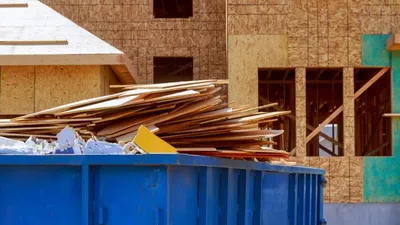
Renovating your home? Drywall, lumber, concrete, and roofing materials have different disposal rules than regular trash. Here's what to know.
Read more →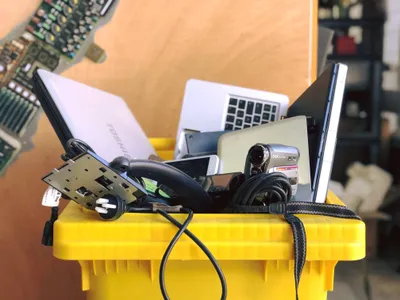
E-waste rules vary wildly by state. Some ban electronics from landfills entirely. Here's how to recycle old TVs, computers, and phones properly.
Read more →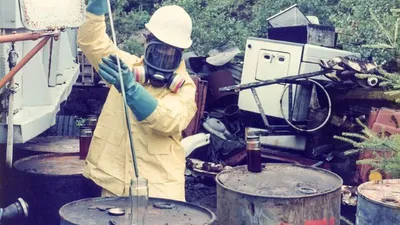
Most counties run free household hazardous waste collection events. Here's what qualifies, how to find your local event, and how to store stuff safely until then.
Read more →