Construction Debris: What You Can (and Can't) Take to the Dump
Renovating your home? Drywall, lumber, concrete, and roofing materials have different disposal rules than regular trash. Here's what to know.
Read more →Find landfills, transfer stations, and recycling centers across Alaska
4 waste disposal facilities
Waste disposal in Alaska comes with unique challenges. Remote communities, extreme weather, and vast distances mean facilities vary widely across the state. The Alaska Department of Environmental Conservation (DEC) regulates everything from Anchorage's modern transfer stations to village landfills accessible only by plane or boat.
Showing 1-4 of 4 locations
Anchorage · Anchorage Regional Landfill, 15500 E. Eagle River Loop Road, Eagle River, 99577, Alaska
View DetailsSoldotna · Central Peninsula Landfill (CPL), 46915 Sterling Highway, Soldotna, 99669, Alaska
View DetailsPalmer · Palmer Central Landfill, 1201 N. 49th State Street, Palmer, 99645, Alaska
View DetailsFairbanks · South Cushman Landfill, 455 Sanduri Street, Fairbanks, 99701, Alaska
View DetailsAlaska's waste management system is unlike any other in the United States, shaped by extreme geography, harsh climate, and communities accessible only by air or water. The Alaska Department of Environmental Conservation (DEC) oversees solid waste regulations through a unique three-tier landfill classification system. Class I landfills in Anchorage, Fairbanks, and other urban areas handle over 20 tons daily and meet federal Subtitle D standards. Class II facilities serve mid-sized communities processing 5 to 20 tons per day, while 184 Class III village landfills operate under Alaska-specific regulations designed for remote areas.
For residents in Anchorage and the Matanuska-Susitna Valley, the Anchorage Regional Landfill and Central Transfer Station provide convenient disposal options. Self-haul fees run approximately $15 per 300 pounds for residential loads, with commercial rates around $75 per ton. The Municipality of Anchorage also offers a free residential recycling program that has achieved 80% participation, accepting aluminum, cardboard, plastics, and paper products. Fairbanks North Star Borough operates the Central Recycling Facility on Marika Road for residents seeking to divert materials from the landfill.
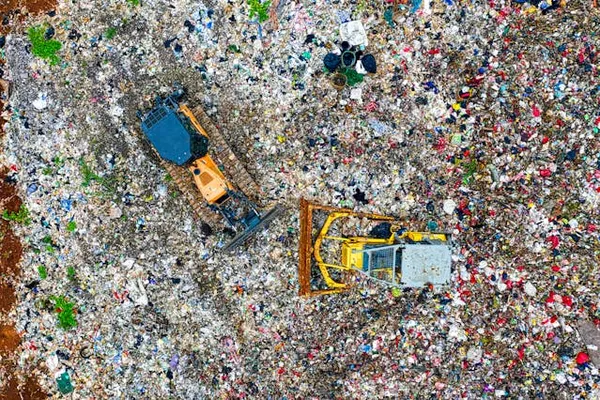
Rural Alaska faces distinct waste management challenges that require creative solutions. Many villages rely on backhaul programs, where recyclables and hazardous materials are shipped out on returning cargo planes and barges that would otherwise travel empty. The DEC employs five Rural Landfill Specialists who provide free technical assistance to remote communities, helping them maintain compliance with state regulations while working within limited budgets and infrastructure. Construction and demolition waste in rural areas requires special attention, as improper disposal can result in enforcement action.
Hazardous household waste disposal varies significantly by location. Anchorage and Fairbanks maintain permanent collection facilities for items like paint, batteries, pesticides, and automotive fluids. Smaller communities rely on periodic collection events, and rural residents may need to store hazardous materials safely until the next collection opportunity or arrange transport to a larger community. Open burning remains permitted in some rural areas with proper DEC authorization, though urban burning is prohibited statewide.
Before disposing of waste at any Alaska facility, contact them directly to confirm current hours, accepted materials, and fees. Extreme weather can affect facility operations, particularly during winter months. The DEC maintains comprehensive information about landfill locations and regulations, and borough websites provide details about local recycling programs and special waste collection events.
Learn how to properly dispose of common items.
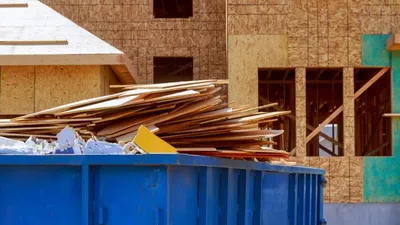
Renovating your home? Drywall, lumber, concrete, and roofing materials have different disposal rules than regular trash. Here's what to know.
Read more →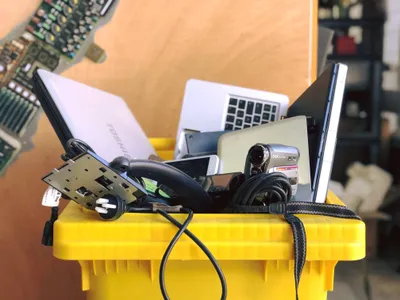
E-waste rules vary wildly by state. Some ban electronics from landfills entirely. Here's how to recycle old TVs, computers, and phones properly.
Read more →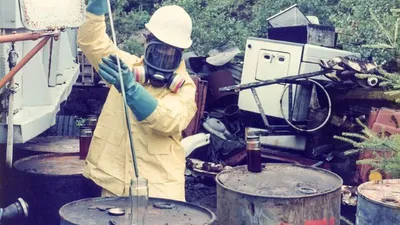
Most counties run free household hazardous waste collection events. Here's what qualifies, how to find your local event, and how to store stuff safely until then.
Read more →