Construction Debris: What You Can (and Can't) Take to the Dump
Renovating your home? Drywall, lumber, concrete, and roofing materials have different disposal rules than regular trash. Here's what to know.
Read more →County landfill out on Ridge Road in Monroeville where locals and haulers drop off loads that will be buried rather than recycled. It’s the kind of place farmers, contractors and homeowners swing by when they have construction debris or a full pickup bed to get rid of.
Drive up to a small entrance area and you’ll likely stop at a scale-landfills of this type typically charge by weight, with different rates often applied to residential versus commercial loads. After weighing, vehicles move forward to pull up and tip; expect heavy equipment and trucks working the piles while compactors run the cells. The ground is usually gravel or packed dirt, so plan for dust in dry weather and mud after rain. Commercial loads are commonly accepted at county landfills, but rules and fee structures vary by location.
Learn how to properly dispose of common items.
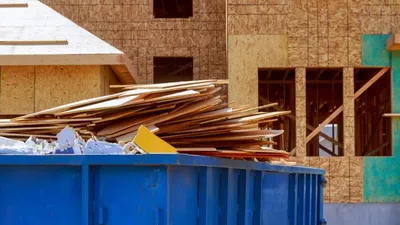
Renovating your home? Drywall, lumber, concrete, and roofing materials have different disposal rules than regular trash. Here's what to know.
Read more →
E-waste rules vary wildly by state. Some ban electronics from landfills entirely. Here's how to recycle old TVs, computers, and phones properly.
Read more →
Most counties run free household hazardous waste collection events. Here's what qualifies, how to find your local event, and how to store stuff safely until then.
Read more →