Construction Debris: What You Can (and Can't) Take to the Dump
Renovating your home? Drywall, lumber, concrete, and roofing materials have different disposal rules than regular trash. Here's what to know.
Read more →Cedar Hill Landfill is the town’s main burial site for household and larger trash, out on North Business Creek Road near Ragland. Neighbors, landscapers and haulers drop off everything that can’t go to a convenience center; it’s not a transfer station but the final place material gets buried. Expect a working, no-frills site rather than anything flashy.
A drive-in approach with a scale and a small intake booth is typical for a landfill of this size, so traffic moves in, stops for weighing, then out again to the active cell. The tipping fee structure is usually weight-based, meaning loads are weighed on the scale and charged accordingly, and commercial loads are commonly handled on separate fee tiers. The property looks like graded dirt and compacted fill with heavy equipment moving around; recycling or drop-off bins, if available, are often set off to the side past the booth. Weekends and spring cleanup times tend to be busier, so lines at the entrance are not uncommon.
Learn how to properly dispose of common items.
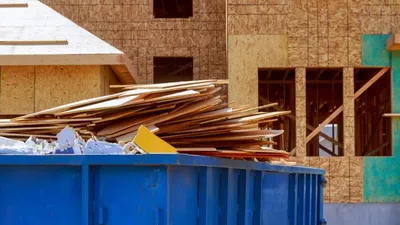
Renovating your home? Drywall, lumber, concrete, and roofing materials have different disposal rules than regular trash. Here's what to know.
Read more →
E-waste rules vary wildly by state. Some ban electronics from landfills entirely. Here's how to recycle old TVs, computers, and phones properly.
Read more →
Most counties run free household hazardous waste collection events. Here's what qualifies, how to find your local event, and how to store stuff safely until then.
Read more →